Si buscas camisetas baratas en barcelona, la ciudad ofrece muchas opciones para encontrar prendas de calidad a buen precio. En el Raval y el Born, encontrarás tiendas locales con diseños únicos y precios accesibles. Además, las grandes cadenas como H&M y Zara tienen varias sucursales por la ciudad, ofreciendo ofertas frecuentes. Para una experiencia más económica, visita los mercadillos de los fines de semana, donde podrás encontrar camisetas a precios inmejorables. No olvides revisar las tiendas de segunda mano, ideales para encontrar prendas originales a precios reducidos. ¡No te pierdas las mejores ofertas en Barcelona!
equipacion barcelona niños
La equipacion barcelona niños es una de las más buscadas por los pequeños fanáticos del fútbol. Si estás pensando en regalarle a tu hijo o hija una camiseta, pantalón o conjunto completo de este reconocido club, te ofrecemos una guía para hacer una compra acertada.
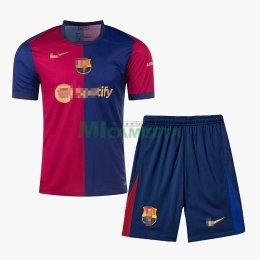
¿Qué debo buscar al comprar la equipación del Barcelona para niños?
Lo primero que debes tener en cuenta es la talla. Es fundamental que la equipación sea cómoda para el niño, por lo que debes asegurarte de que la talla corresponda correctamente a su edad y complexión. Muchas tiendas ofrecen tablas de tallas que te ayudarán a elegir la más adecuada.
Además de la talla, es importante elegir entre las diferentes versiones de la equipación. Existen varias opciones, como la camiseta de juego, que es la réplica exacta de las que usan los jugadores, o las versiones de entrenamiento. Si tu hijo quiere parecerse a su ídolo del Barça, la camiseta de juego es la mejor opción. Sin embargo, si buscas algo más económico y práctico para el día a día, las versiones de entrenamiento suelen ser más asequibles.
¿Debería elegir una camiseta oficial o una réplica?
Las camisetas oficiales del Barcelona para niños están fabricadas con materiales de alta calidad y suelen tener detalles exclusivos, como el logo bordado y un diseño muy similar al de los jugadores profesionales. Si quieres un producto auténtico y duradero, la camiseta oficial es la mejor elección. No obstante, si el presupuesto es un factor importante, una réplica también ofrece una excelente relación calidad-precio.
¿Qué más debo tener en cuenta?
Si te preguntas si es mejor comprar la equipación completa o solo una parte, todo depende de tus necesidades y las preferencias de tu hijo. Si es un verdadero seguidor del equipo y le apasiona el fútbol, un conjunto completo con camiseta, pantalón y medias le permitirá sentirse como un verdadero jugador del Barcelona. Sin embargo, si solo buscas un detalle o algo para ocasiones especiales, con solo la camiseta es suficiente.
Además, no olvides verificar que los productos que adquieras sean originales y que la tienda sea confiable. Muchas veces se pueden encontrar ofertas en línea, pero es importante asegurarte de que sean productos auténticos y de calidad.
En resumen, al comprar la equipación del Barcelona para niños, debes asegurarte de elegir la talla correcta, decidir entre las versiones de camiseta y verificar la autenticidad del producto. Así, tu hijo podrá disfrutar del orgullo de llevar los colores del Barça con la mejor comodidad y estilo.
equipacion real madrid niño
¿Estás buscando la mejor equipacion real madrid niño? Si eres un fanático del fútbol y quieres que tu pequeño luzca el uniforme de uno de los equipos más grandes del mundo, estás en el lugar correcto. En este artículo te damos algunas recomendaciones para que elijas la mejor equipación del Real Madrid para niño.

¿Por qué elegir la equipación del Real Madrid para tu hijo? El Real Madrid no solo es un club de renombre internacional, sino que sus colores y su historia son símbolo de esfuerzo, dedicación y éxito. Al vestir la equipación oficial del equipo, tu hijo no solo estará apoyando a uno de los clubes más grandes del mundo, sino que también se sentirá parte de una tradición futbolística llena de títulos y logros. Además, es una excelente manera de inculcarle el amor por el deporte desde temprana edad.
¿Qué incluye la equipación del Real Madrid para niño? Generalmente, la equipación para niños incluye la camiseta, los pantalones cortos y las medias. La camiseta es lo más importante, ya que es la prenda que identifica a tu hijo con el equipo. Puedes encontrarla en diferentes versiones: la versión oficial con los detalles exactos que usan los jugadores profesionales, o versiones más económicas pero igualmente atractivas y cómodas para los más pequeños. Los pantalones cortos y las medias completan el conjunto, permitiendo que tu hijo se mueva con comodidad durante el juego.
¿Cómo elegir la talla adecuada? La talla de la equipación del Real Madrid para niño debe ser cuidadosamente elegida. Asegúrate de revisar las guías de tallas que te proporcionan las tiendas online o físicas. La ropa debe quedar ajustada pero cómoda, permitiendo que tu hijo pueda moverse libremente sin restricciones. Si tienes dudas sobre la talla, lo mejor es optar por una ligeramente más grande, ya que los niños crecen rápidamente y así podrás aprovechar el uniforme por más tiempo.
¿Dónde comprar la equipación del Real Madrid para niños? Hay muchas opciones donde adquirir la equipación oficial. Las tiendas físicas del Real Madrid, tanto en su estadio como en sus tiendas oficiales, son una opción segura para comprar productos auténticos. También puedes encontrarla en tiendas online especializadas en fútbol, así como en grandes comercios. Si decides comprar online, asegúrate de verificar la autenticidad del producto y las políticas de devolución.
En resumen, la equipación del Real Madrid para niños es una excelente opción para cualquier joven fanático del fútbol. No solo es un símbolo de apoyo a su equipo favorito, sino que también es una prenda de calidad que le permitirá disfrutar del deporte con estilo y comodidad. ¡Haz que tu hijo viva la pasión del Real Madrid!
equipación real madrid 2025 niño
Si eres un amante del fútbol y quieres que tu hijo luzca como un verdadero fanático del Real Madrid, la equipación oficial para niños de la temporada 2025 es la opción perfecta. ¿Qué debes tener en cuenta al momento de elegirla? Aquí te damos algunos consejos clave para que tu compra sea todo un éxito.
Primero, ¿qué incluye la equipación real madrid 2025 niño? En general, la camiseta de la temporada viene acompañada de un pantalón corto y medias a juego, lo que permite que tu hijo tenga un conjunto completo para entrenar o jugar. La camiseta está fabricada con tecnología de vanguardia que asegura comodidad, transpirabilidad y flexibilidad, aspectos esenciales para que los más pequeños disfruten al máximo de su actividad deportiva.
Una de las características que destacan en la equipación 2025 son los detalles que la hacen única. Los colores tradicionales del club, blanco con toques de azul y dorado, reflejan la elegancia y la historia del Real Madrid. Además, el logotipo del club y los patrocinadores están impresos con calidad y durabilidad, para que el uniforme se mantenga impecable durante más tiempo.
Ahora bien, ¿cómo saber si la talla es la correcta para tu hijo? Las equipaciones de fútbol vienen en diversas tallas para adaptarse a todas las edades. Asegúrate de medir bien a tu hijo antes de comprar para elegir la talla que mejor le quede. Si tienes dudas, es recomendable optar por una talla ligeramente más grande, ya que los niños crecen rápido y la prenda podrá ser usada durante más tiempo.
Además de la camiseta y el pantalón, es importante considerar los accesorios. Los conjuntos pueden incluir bufandas, gorras y mochilas del Real Madrid, que son perfectos para completar el look. También puedes encontrar ropa deportiva adicional, como sudaderas y chaquetas, ideales para los días más fríos o para el tiempo libre.
Finalmente, ¿dónde comprar la equipación oficial del Real Madrid para niño? Hay varias opciones disponibles. Puedes adquirirla en tiendas físicas del club o a través de tiendas online especializadas en ropa deportiva. Además, las plataformas de comercio electrónico como Amazon o el sitio web oficial del Real Madrid ofrecen la posibilidad de realizar compras de manera segura y cómoda desde casa.
La equipación del Real Madrid 2025 para niños es una excelente forma de celebrar la pasión por el fútbol y el amor por el club. No dudes en escoger la mejor opción para tu hijo, y asegúrate de que se sienta como una verdadera estrella del deporte.
¿Qué pasó con Arat, el niño que tenía el físico y habilidad de CR7? ¡Ahora juega para ESTE GRANDE!
Si estás buscando equipaciones futbol niños replicas, las réplicas son una excelente opción. Ofrecen el diseño auténtico de los equipos más populares, pero a un precio más accesible. Al elegir una, asegúrate de verificar la calidad del material; muchas réplicas cuentan con telas transpirables y duraderas, ideales para el deporte. También, fíjate en las tallas disponibles y en la comodidad que ofrecen. Las camisetas, pantalones cortos y medias suelen ser los elementos básicos, pero también puedes encontrar conjuntos completos. Además, personalizar la equipación con el nombre y número favorito de tu hijo le dará un toque especial.
camisetas de futbol niños replicas
Las camisetas de futbol niños replicas son una excelente opción para los padres que desean que sus hijos luzcan como sus ídolos, pero sin tener que gastar una fortuna en una camiseta oficial. Estas camisetas replican de manera fiel los diseños de los equipos más populares del mundo, ofreciendo la misma estética que las camisetas originales, pero a un precio más accesible. Pero, ¿cómo elegir la mejor camiseta réplica para tu hijo?
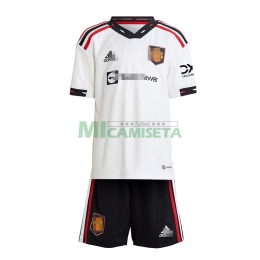
¿Por qué comprar una camiseta réplica de fútbol para niños?
Las camisetas réplicas son perfectas para los más pequeños por varias razones. En primer lugar, son una forma de fomentar la pasión por el fútbol desde una edad temprana. Los niños que se sienten identificados con sus jugadores favoritos, y con un equipo que admiran, disfrutan mucho más del deporte. Además, las réplicas son más accesibles económicamente, lo que las convierte en una opción ideal para quienes buscan calidad sin tener que invertir grandes sumas de dinero.
¿Cómo saber si una camiseta réplica es de buena calidad?
Aunque las camisetas de fútbol réplicas suelen ser más baratas, no significa que deban sacrificar la calidad. Al comprar una, debes asegurarte de que el material sea cómodo y resistente, preferiblemente de poliéster, que es ligero y adecuado para la práctica deportiva. También es importante revisar los detalles de la impresión, como los logos, los números y los nombres, que deben estar bien cosidos o estampados, sin signos de desgaste.
¿Dónde comprar camisetas de fútbol réplicas para niños?
Hay muchas opciones para comprar camisetas réplicas de fútbol para niños, tanto en tiendas físicas como en línea. Las grandes tiendas deportivas suelen tener una variedad amplia de camisetas de equipos populares como Barcelona, Real Madrid, Bayern de Múnich, entre otros. Sin embargo, las tiendas en línea ofrecen una mayor variedad y precios más competitivos. Sitios web como Amazon, eBay, y tiendas especializadas en fútbol son excelentes lugares para encontrar lo que buscas.
¿Qué talla elegir para mi hijo?
Es importante elegir la talla correcta para garantizar que la camiseta sea cómoda. Las tallas suelen estar basadas en la edad del niño, pero siempre es recomendable consultar las guías de tallas proporcionadas por el fabricante. Asegúrate de que la camiseta no quede ni muy ajustada ni demasiado holgada, para que tu hijo pueda moverse con libertad mientras juega.
En resumen, las camisetas de fútbol réplicas para niños son una gran opción para los padres que buscan algo práctico, económico y atractivo para sus hijos. Asegúrate de elegir una camiseta de calidad, de una tienda confiable y con la talla adecuada, ¡y tu hijo podrá lucir como su futbolista favorito!
🔴 BARCELONA VS LEGANES PARTIDO EN VIVO / LIGA ESPAÑOLA – JUEGA LAMINE YAMAL
Si eres fanático del FC Barcelona, no puedes perderte las camisetas de la temporada 2025. Este año, las camisetas Barcelona 2025 combinan innovación y tradición, con un diseño moderno que respeta los colores clásicos del club. Disponibles en diversas tallas y para todas las edades, las camisetas cuentan con tecnología de alta calidad, ofreciendo comodidad y frescura durante todo el día. Puedes encontrar modelos oficiales para hombres, mujeres y niños en tiendas especializadas y en línea. Además, muchas de ellas tienen detalles exclusivos como el escudo bordado y los nombres de los jugadores. ¡Hazte con la tuya y apoya a tu equipo!
camisetas barcelona 2025
Si eres fanático del FC Barcelona, seguro que estás buscando una camiseta que represente tu pasión por el equipo. ¿Qué mejor manera de mostrar tu apoyo que con una camiseta oficial? En 2025, el FC Barcelona presenta una nueva línea de camisetas que promete ser tanto moderna como fiel a la tradición del club. ¿Qué hace que estas camisetas sean tan especiales y cómo elegir la ideal para ti? Aquí te lo contamos.
¿Por qué elegir una camisetas barcelona 2025?
Las camisetas del Barcelona de 2025 son una mezcla perfecta entre la innovación y el respeto por la historia del club. Este año, el diseño se inspira en los colores tradicionales de la institución, pero con un toque moderno que sigue las tendencias actuales del fútbol. Los tonos azul y grana predominan, pero con detalles que destacan la esencia del club, como el escudo del Barcelona, que sigue siendo un símbolo poderoso para sus seguidores.
¿Cómo elegir la camiseta perfecta?
La elección de la camiseta depende de varios factores. Primero, debes decidir si prefieres una camiseta de jugador o una camiseta de aficionado. Las camisetas de jugador son las mismas que usan los profesionales en los partidos, con tecnología avanzada para mejorar el rendimiento, mientras que las camisetas para aficionados suelen ser más cómodas para el uso diario, pero también de excelente calidad.
¿Qué talla debo comprar?
Este es uno de los aspectos más importantes al elegir una camiseta. Las tallas pueden variar entre marcas, así que es crucial revisar la guía de tallas del vendedor. Si compras en línea, asegúrate de consultar las medidas en centímetros para evitar problemas de ajuste. Si prefieres un ajuste más ceñido, puedes optar por una talla más pequeña; si prefieres mayor comodidad, elige una más grande.
¿Dónde comprar camisetas Barcelona 2025?
Hay múltiples opciones disponibles, desde tiendas físicas hasta plataformas en línea. La tienda oficial del FC Barcelona es, sin duda, el lugar más confiable para adquirir productos auténticos. Sin embargo, también puedes encontrar buenas opciones en tiendas de deportes o en sitios web de confianza como Amazon o Mercado Libre.
¿Es una buena inversión?
Sin duda. Comprar una camiseta oficial del Barcelona no solo es una forma de apoyar a tu equipo, sino también una inversión en calidad. Las camisetas de esta temporada están hechas con materiales que garantizan durabilidad, comodidad y estilo. Además, siempre es un artículo que aumentará su valor con el paso del tiempo, especialmente si el equipo sigue cosechando éxitos.
Con estas recomendaciones, seguro que encontrarás la camiseta perfecta para acompañar al Barcelona durante todo el 2025. ¡Viste con orgullo los colores blaugranas y demuestra tu pasión por el club!
camisetas baratas en barcelona
¿Estás buscando camisetas baratas en Barcelona? Si te encuentras de compras en esta vibrante ciudad y necesitas renovar tu armario sin vaciar tu cartera, Barcelona ofrece una gran variedad de tiendas donde puedes encontrar camisetas económicas, con estilo y de buena calidad. A continuación, te damos algunos consejos sobre cómo encontrar las mejores opciones.
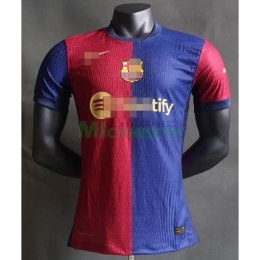
¿Dónde encontrar camisetas baratas en Barcelona?
Una de las primeras opciones que debes considerar es el barrio de El Raval. Este área, conocida por su ambiente alternativo y multicultural, tiene varias tiendas que ofrecen ropa a precios accesibles. Aquí encontrarás desde tiendas vintage hasta pequeños comercios locales que venden camisetas a precios muy competitivos. Además, en El Raval se encuentran algunas tiendas de segunda mano, lo que te permite encontrar camisetas únicas y originales a precios aún más bajos.
Otra zona recomendable es el barrio de Gracia. Aunque Gracia es famoso por sus plazas y su ambiente bohemio, también alberga tiendas con ropa de bajo costo, tanto en sus pequeñas boutiques como en sus mercados locales. Es un lugar perfecto para encontrar camisetas con estampados originales y diseños de marcas locales que no necesariamente son de grandes cadenas, lo que a menudo se traduce en precios más asequibles.
¿Cómo ahorrar aún más?
Si tu objetivo es encontrar camisetas baratas en Barcelona, te recomendamos que explores las tiendas de las grandes cadenas de moda rápida. H&M, Zara, y Primark tienen varias sucursales en la ciudad y suelen ofrecer precios muy competitivos en camisetas de todos los estilos y colores. Las rebajas de temporada son una excelente oportunidad para encontrar prendas aún más económicas, especialmente durante los meses de enero y julio.
Además, si eres un poco más aventurero, puedes acercarte a mercados como el Mercat de Sant Antoni. En este mercado, no solo encontrarás alimentos frescos, sino también ropa de segunda mano y prendas de marcas locales a precios muy accesibles.
¿Las camisetas son de buena calidad?
Sí, muchas de las opciones disponibles son de buena calidad, aunque es importante recordar que el precio puede reflejar la durabilidad del material. Sin embargo, en Barcelona puedes encontrar camisetas que, aunque sean económicas, tienen un diseño moderno y son cómodas para el día a día.
En resumen, Barcelona es una ciudad ideal para encontrar camisetas baratas sin sacrificar estilo. Desde las zonas más turísticas hasta los barrios más locales, hay opciones para todos los gustos y presupuestos. ¡Disfruta de tu shopping en Barcelona y consigue las camisetas que mejor se adapten a ti!
camiseta barcelona barata
¿Estás buscando una camiseta barcelona barata? Si eres fanático del FC Barcelona y deseas conseguir una camiseta oficial sin gastar demasiado, ¡has llegado al lugar indicado! A continuación, te daremos algunos consejos para que puedas encontrar las mejores ofertas y lucir los colores blaugranas con estilo.
¿Por qué elegir una camiseta barata del Barcelona?
La camiseta del Barcelona es un símbolo de identidad para muchos seguidores del equipo, pero también puede representar una inversión significativa. Sin embargo, eso no significa que debas vaciar tu billetera para conseguir una camiseta auténtica. Existen varias opciones asequibles que te permitirán sentirte parte de este gran club sin tener que pagar precios exorbitantes.
¿Cómo encontrar una camiseta del Barcelona barata?
1. Buscar en tiendas en línea
Las tiendas en línea son una excelente opción para encontrar camisetas del Barcelona a precios reducidos. Páginas como Amazon, eBay o incluso tiendas especializadas en ropa deportiva ofrecen modelos a precios más bajos. Además, muchas veces estas plataformas tienen descuentos especiales o promociones que te permitirán ahorrar aún más.
2. Aprovechar las rebajas y promociones
Si estás dispuesto a esperar, las rebajas de temporada o las promociones especiales son momentos perfectos para conseguir tu camiseta del Barcelona a un precio mucho más accesible. Las tiendas físicas y en línea suelen ofrecer grandes descuentos en épocas como Navidad o el regreso a clases.
3. Optar por modelos de temporadas anteriores
Otra forma de ahorrar es elegir una camiseta de temporadas pasadas. Aunque no será el diseño más reciente, las camisetas de años anteriores suelen tener un precio mucho más bajo. Esto no significa que perderás en calidad, ya que siguen siendo fabricadas por los mismos proveedores oficiales.
4. Revisar las tiendas outlet o de segunda mano
Si buscas una opción económica y no te importa comprar productos de segunda mano, las tiendas outlet o de segunda mano son una excelente alternativa. A menudo, encontrarás camisetas en buen estado a precios muy reducidos. Además, muchas veces estos sitios ofrecen camisetas que ya no se venden en las tiendas oficiales.
¿Vale la pena invertir en una camiseta del Barcelona barata?
Absolutamente. No importa si compras una camiseta del Barcelona en promoción o de temporada anterior, lo importante es que podrás lucir los colores de tu equipo sin romper el banco. Recuerda que el valor sentimental y la pasión por tu club son lo que realmente importa al final.
En resumen, conseguir una mi camiseta del Barcelona barata es completamente posible si sigues estos consejos. ¡No dejes pasar la oportunidad de apoyar a tu equipo mientras ahorras al mismo tiempo!